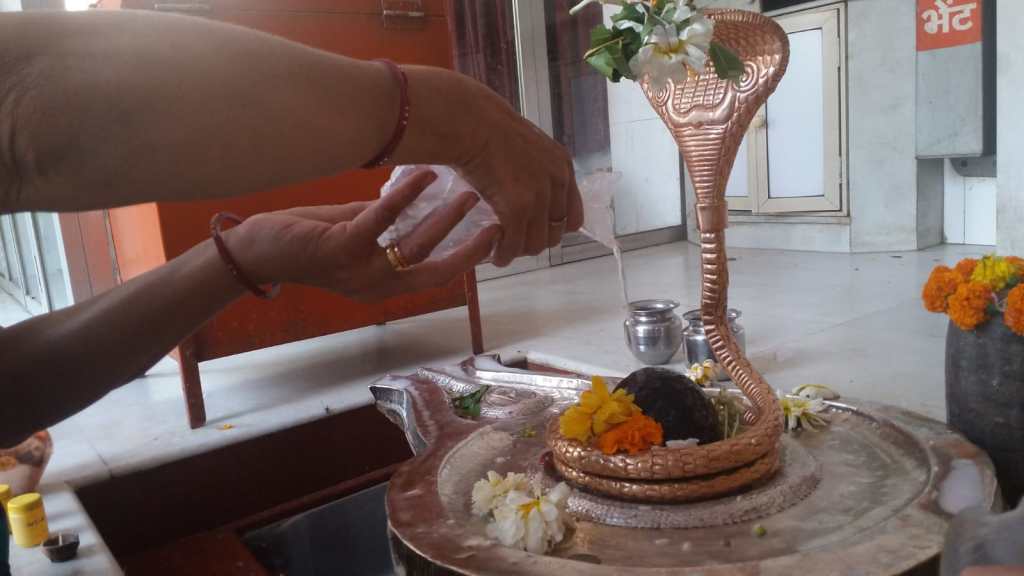
No, it’s not AI. Though equally omnipresent—and arguably just as inscrutable.
Plastic.
Whether it’s milk, flowers, coconuts or devotion wrapped in convenience, plastic barges into our sacred spaces as conveniently as it does in every aspect of our lives.
Some of the most common usage of plastic in religious places can be seen in the following ways:
1. Milk, coconut water, sugarcane juice brought in plastic bag and thrown after use
2. Prasad packed in plastic bags
3. Flowers and garlands brought in plastic bags and thrown after one use
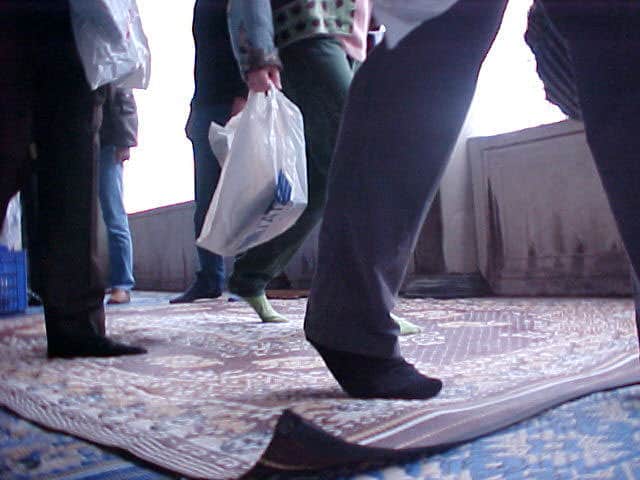
4. Hugh number of plastic bags used for salah are often left around the mosque littered; most of these bags are used only once
5. Cups, plates, knives, spoons, and forks probably account for a lot of the plastic the church throws away
6. During Langar, many gurudwaras use plastic trays or Styrofoam
Getting puja paraphernalia in plastic is no harm as long as the plastic bag or the container is going to be reused. You can offer milk to the God in a plastic container that you carry daily to the temple. You can get flowers in a plastic bag daily if you are using the same bag every day for carrying the offerings to the God.
Getting puja paraphernalia in plastic is no harm as long as the plastic bag or the container is going to be reused. You can offer milk to the God in a plastic container that you carry daily to the temple. You can get flowers in a plastic bag daily if you are using the same bag every day for carrying the offerings to the God.
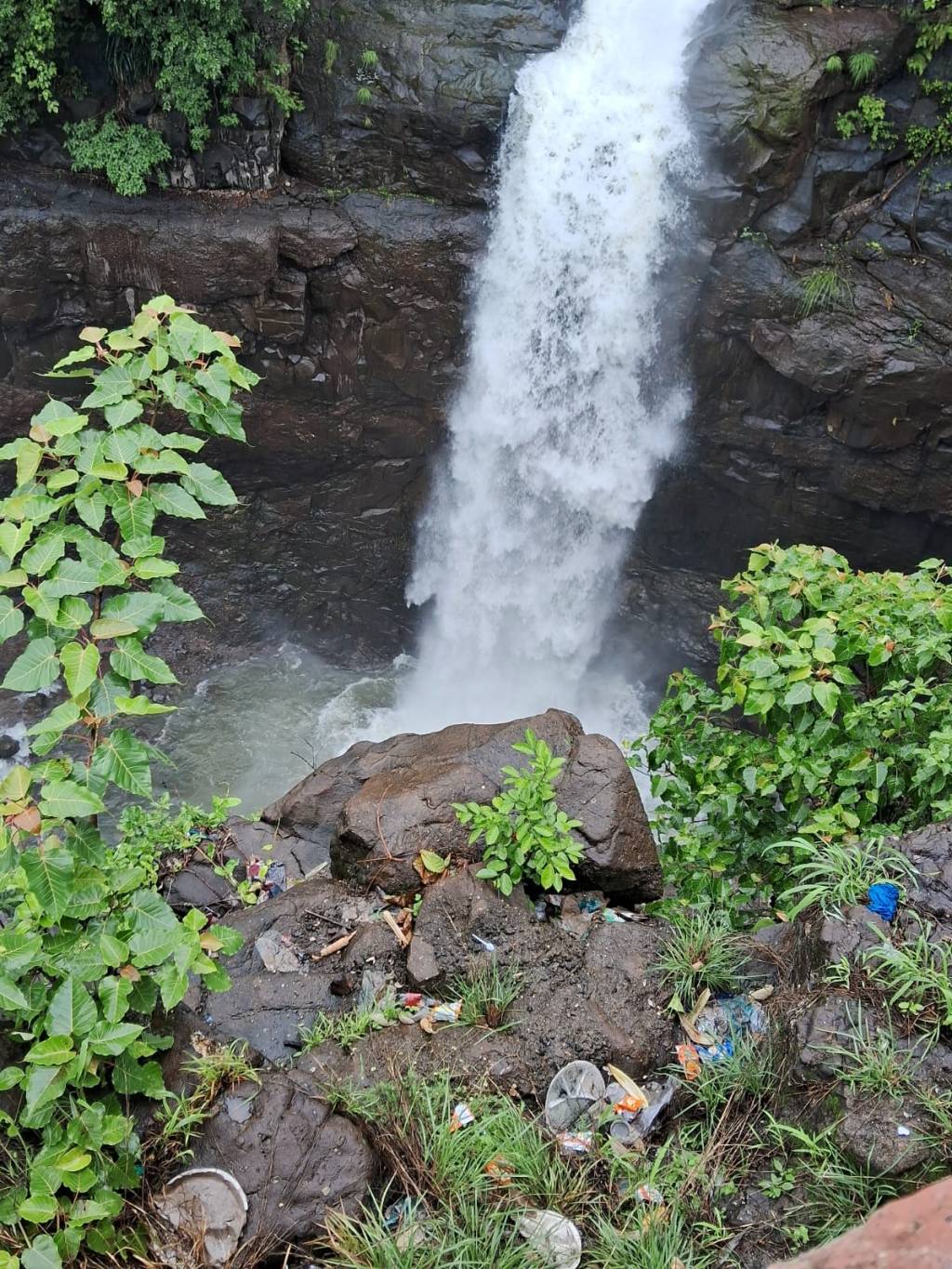
Reusing the plastic is not a sin, unlike disposing of plastic after one use. All the religions believe that ‘nature’ is the visible form of God. If anything is destroying nature, it is directly affecting God. Plastic is a non-degradable material that offers resilience to biodegradation and stays on the earth, disrupting the ecological cycle. Land-based plastic debris migrates to waterways, where it poses a direct threat to wildlife. High levels of organic pollutants found in plastic affect a wide variety of species like marine birds, sea turtles, seals, sharks, and pose a potential risk to human life through the food chain cycle. Almost three-quarters of all debris washed ashore is made of plastic. Such high levels of plastic debris in the environment can be attributed to the high usage of plastic in our day-to-day lives.
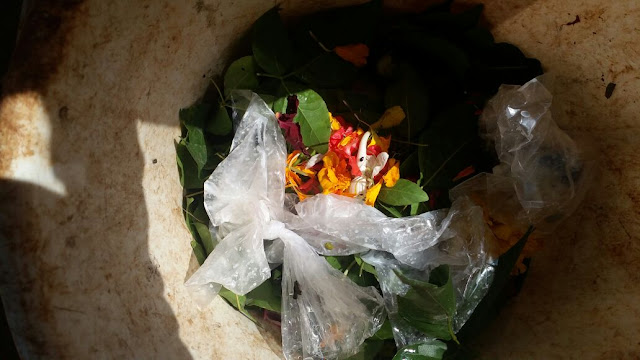
We can gradually wean away from using plastic, beginning from the most sacred of all places on the earth- the places of worship. Tirumala’s Sri Venkatesh Temple, Kerala’s Sabrimala shrine and many temples in Chennai, Madurai and Thanjavur have started imposing a ban on plastic in the temples. The temple authorities are making strict guidelines to prevent plastic from entering the temple premises. Many mosques in Europe have banned plastic bags for putting their shoes and instead are opting for eco-friendly bags. Few churches in the US are asking devotees to take part in a ‘clean up the dishes drive’ wherein devotees rinse the plates together while building good relationships, which is a better option than using disposable paper dishes during the events.
Reducing the plastic debris from the environment and preserving its sovereignty is the best form of worship one can offer to God.







Leave a Reply