Pradyuman Case- Murder of Imagination in our Education


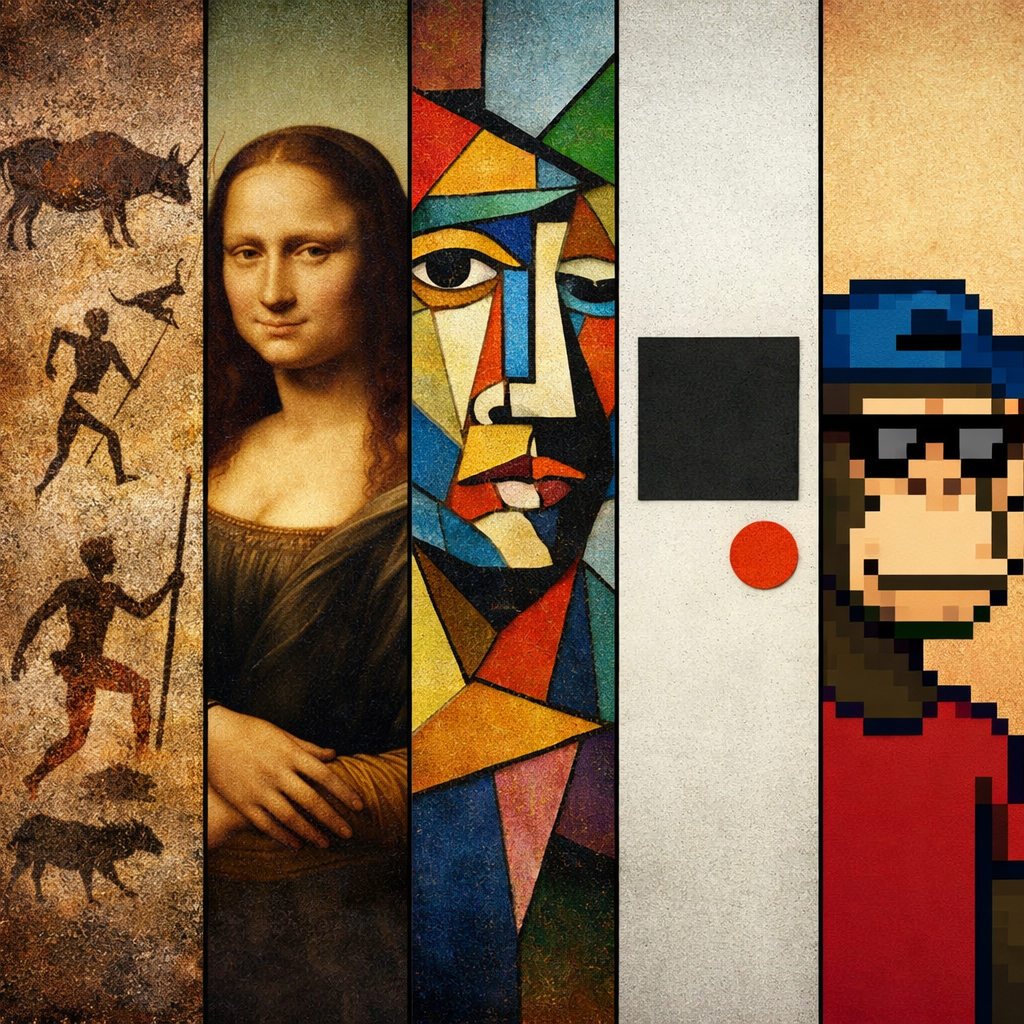
The average time if any our children spend on imagination is directly proportional to the speed of the internet. If at all it gets an opportunity, imagination has to push itself quickly before the search results appear on the screen and it has to be prepared to exit at an equally fast speed. For centuries, the imagination that has been a subject of vanity for the man with its virtue to spark creativity and invention is struggling today with its existence. Once upon a time, imagination shaped the visions of scientists, philosophers, and artists and thus, shaped the world that we live in today. Imagination does not get the luxury of time and space to fit into our ‘busy’ children’s routine comprising of school, tuitions, other activities where children are continuously taught and fed with dos, don’ts, skills, etc. There is so much of teaching we stuff within young children’s minds that their minds get so busy processing the received data that by the time they get the opportunity to assimilate this new data in their environment, we feed them again with the new data. The rate and frequency at which this data is imparted leaves no space for imagination. Undefeated, if at all it manages to find its space in a child’s mind, television, mobile phones, and education system make sure it elopes and never returns.
Consider the case of two students who have been asked to prepare an essay on the peacock. One student’s essay consists of peacock’s height, weight, food preference, mating cycle, scientific classification, and concludes with current statistics of the bird in terms of the population across the globe. Another student writes something like this- “When I saw a peacock in my trip to Rajasthan, I found it very coward. It ran the moment I approached it. What is it afraid of I thought? Me? But I was giving him grains. I was trying to help him, not harm him. Why should it be scared of me? Maybe because I was a stranger to him? Or maybe someone looking like me must have harmed him earlier? Then I thought if the peacock is a coward then I am a coward too. I too feel scared when I see a stranger as I feel that person will harm me. What if that person is not like that? ” Who do you think will score more? Undoubtedly the former student whose essay is data-driven unlike the latter whose essay is imagination-driven. Can our education accommodate imagination that may not be directly the answer to the question asked but has the insight that is relevant and productive? It seems unlikely as imagination is subjective and cannot be assessed objectively with model answers. Education being a mass product, cannot afford qualitative assessment and prefers to be largely information-driven so that it can serve its consumers (parents and children) undisputedly with accurate results.
This is the reason that though the children are curious, their curiosity is weak and doesn’t provoke invention. Because we do not let their curiosity to sweat out for answers. Siddharth’s curiosity too could have found content with the scriptures texts, gurus’ preaching or society’s rationalism but it took efforts to travel, explore and unearth on its own the lessons of life. Siddharth to Buddha is an example of curiosity’s hard work. Today, the education feeds our children’s curiosity with instant answers and thus curiosity rarely gets to work and is put to rest instantly. This cycle of the emergence of curiosity and its satiation has become so quick that curiosity and its answers have merged together to the point that every question arises knows it has an answer hence doesn’t bother to arise.
Suppression of imagination and nurturing weak curiosity has made education dull and stressful for our children. They do not find their way of expression and are subjected to the set norms of behavior which may not harmonize with their core nature. The recent incident at Ryan International School, Gurgaon where a Class XI student is suspected for the murder of a Class II student shows that this subjugation of core nature comes out in the form of heinous acts like murder or any type of disruption that has the potential to stop this coercion on them. It is easy for people to believe that a child who is aberrant and academically weak has more possibilities of committing a crime than the one who confirms to expected society’s norms and who is academically good. Crime is not the core nature of a child who is aberrant but it is a manifestation of the fact that his core nature is being suppressed either at school or at home. According to a daily, an officer said that the accused Class XI student used to often bunk classes and was found in the music room. His interest was in music and he played great piano. He killed Class II student as he wanted a holiday at school to postpone exams and parent-teacher meeting. If this student’s imagination and feelings would have got acceptability or space where they could have been expressed and nurtured, the child would have focused better on his core strengths rather than finding solace in disruptions to break the stress of his routine that he severely detests.
Imagine (please do a favor on imagination) the second student who looks into the top scorer answer paper realizes how naïve his essay on peacock was based on the marks he got. He too will start taking resort to the google for data and resultant we will have an entire class with the same essay. Teachers are happy as they feel students have achieved perfection. Students are happy that they got good marks. Parents are happy that their children are scoring well. In this state of complacency of our education system, no wonder imagination has become rudimentary. In coming years, all that our children see in their imagination will be their memories as for seeing something new they have the internet.
In the fight of survival of the fittest between Imagination v/s Information, we all know who is winning. If our education becomes less competitive and more accommodative where it can include visions, thoughts, imagination, creativity, and opinions out of the set guidelines of the syllabus, it can alter the above results.
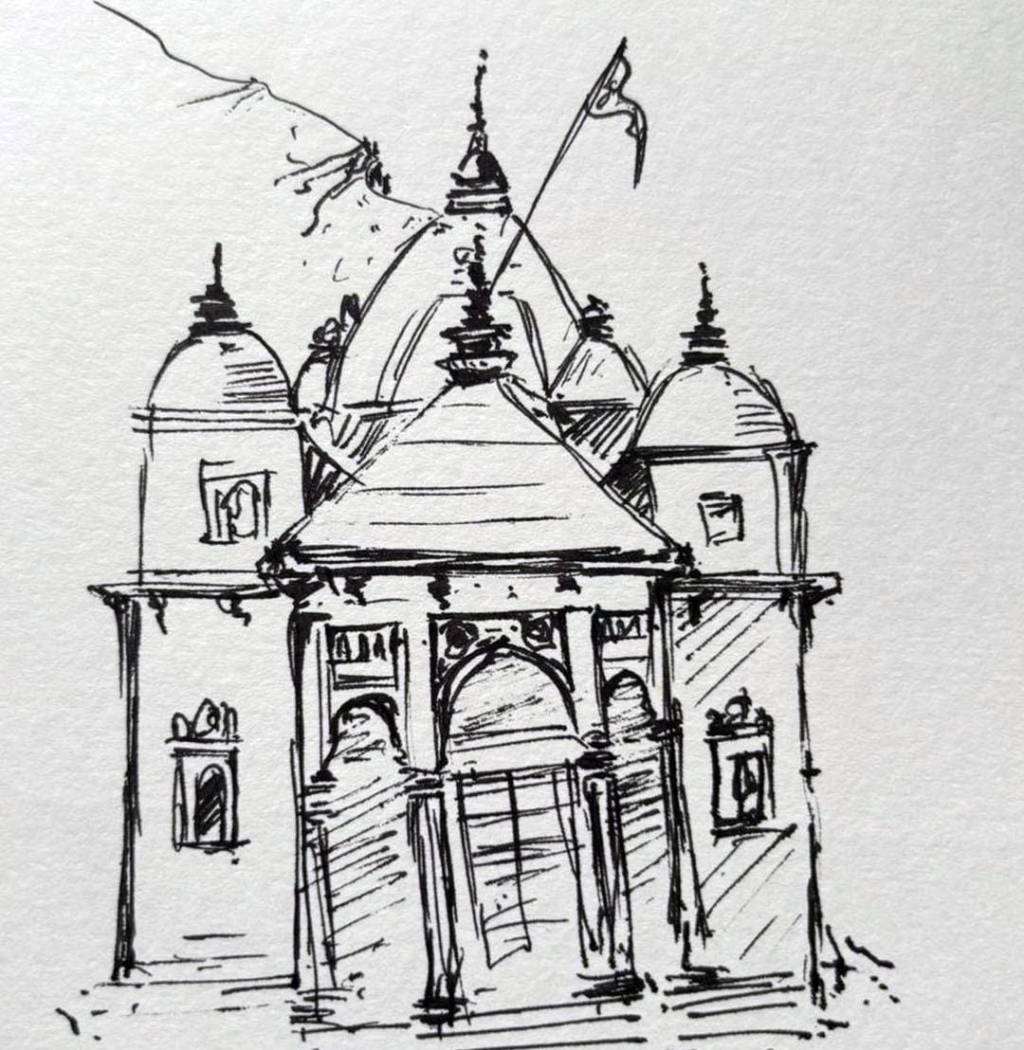
Illustration Courtesy: Manoj Mauryaa






Leave a Reply